It was 4c when I woke up in the Blue Mountains today. Not exactly the kind of morning that makes you want to pull on your hiking shoes and head out onto the track. But I want to change your mind on that.
Most people plan their bushwalking around the summer holidays. Fair enough — school’s out, the weather’s warm, and it feels like the obvious season for it. But here’s a little secret: the bushwalkers who’ve been at this a long time, who’ve got plenty of kms under their boots, will quietly tell you that winter is the best walking season of the lot.
What’s So Good About Cool Weather Walking
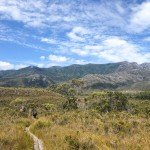
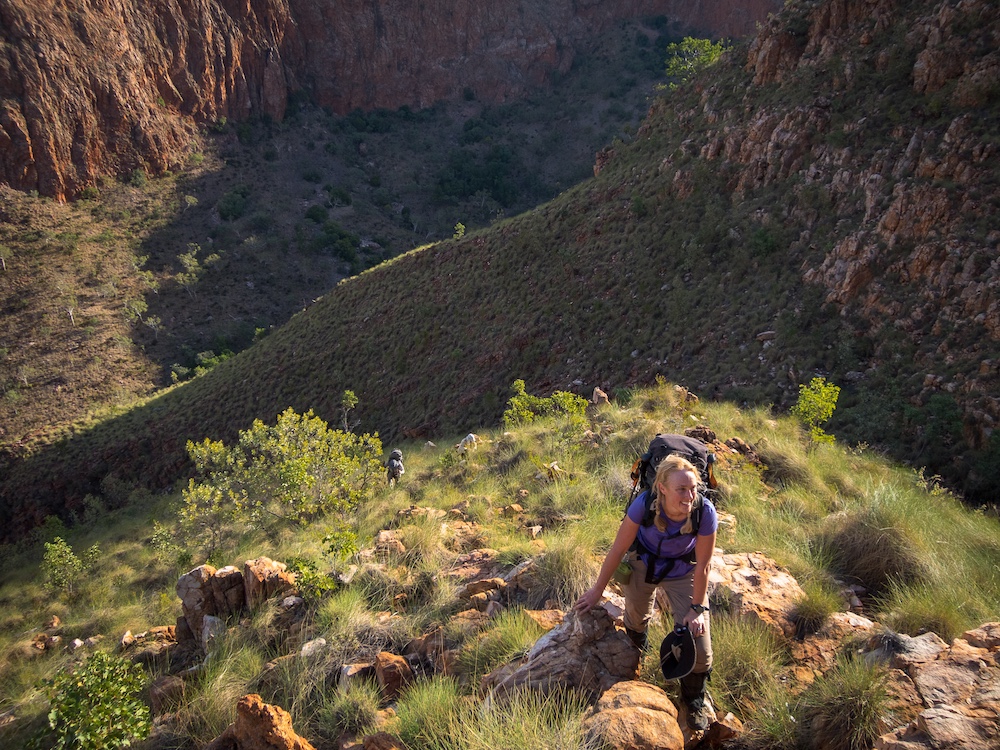
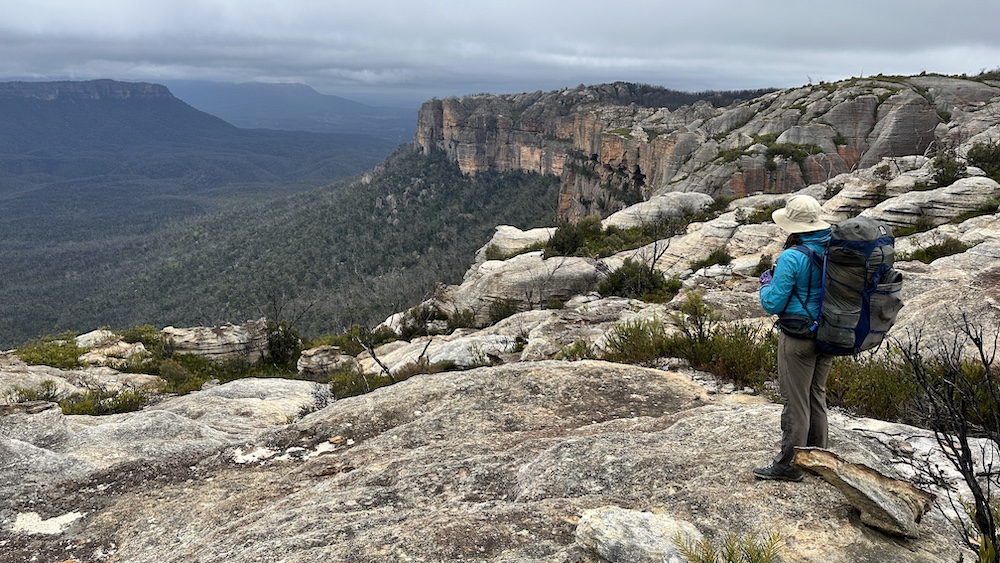
The skies in winter are that deep, clear blue you feel like you could dive into. With an El Niño pattern potentially bringing a hotter, drier second half of the year, this cooler window might be shorter than usual, so it’s worth making the most of it.
You’re far less likely to work up a sweat, which means a lower chance of dehydration — though don’t take that as permission to skip the water altogether – you still need to drink regularly. Snakes are largely dormant over winter, and leeches tend to get a bit lethargic too, so if either of those normally puts you off a track, this is your season.
Layer Up: Your Best Friend in Cold Weather
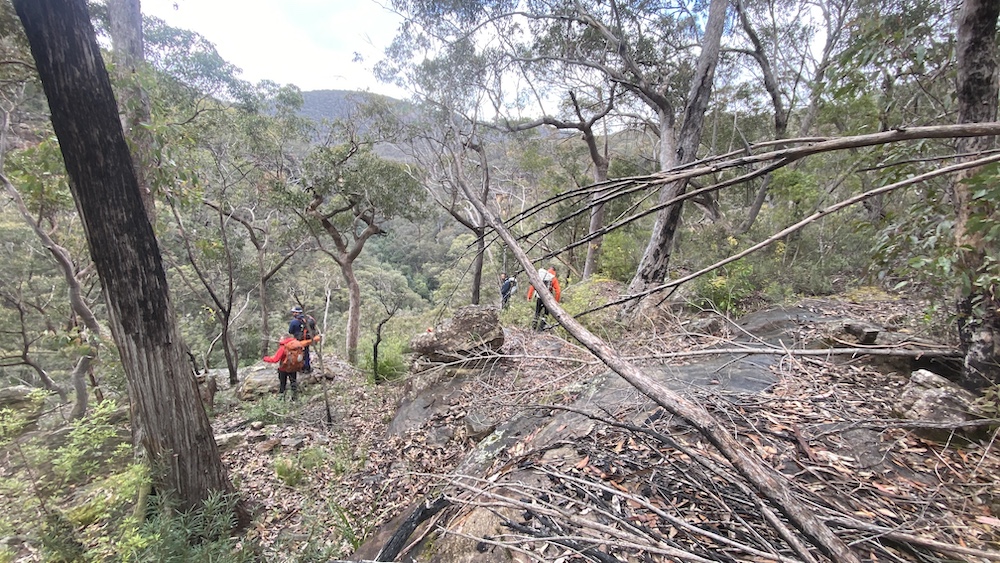
The advantage of winter walking is that you can adjust your body temperature as you go, simply by adding or removing layers. As with any time of year, the 3 layer clothing system is your best friend:
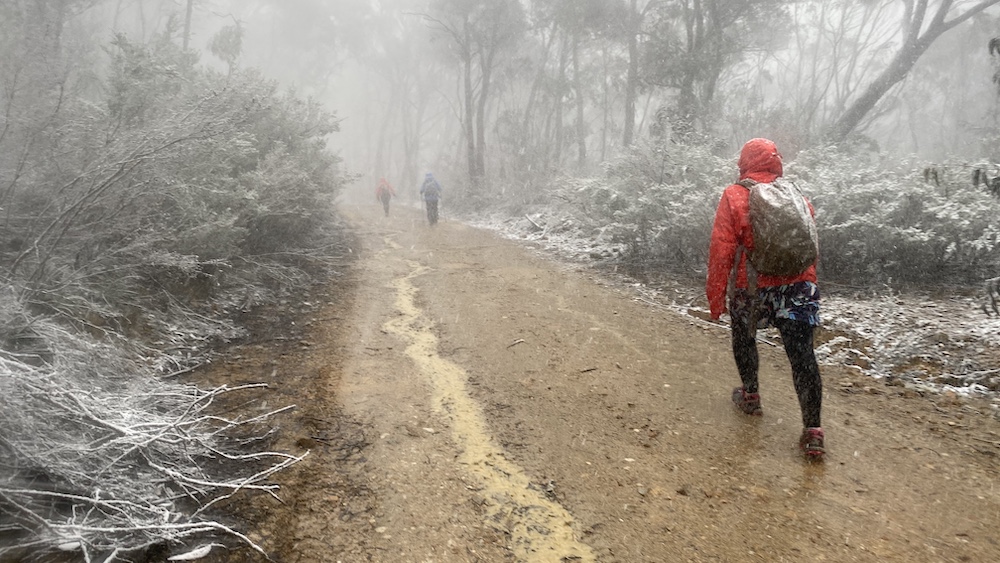
Base layer — what sits against your skin. Merino does a great job here, holding warmth close to your body and/or fabrics that wick the moisture away from you and dry quickly.
Mid layer — your warmth layer, such as a fleece, a woolly jumper or a down jacket.
Shell layer — your outer layer that protects you from wind and rain.
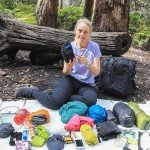
My motto at the bottom of a big hill climb is: be bold, start cold. Pack everything you need, but head off wearing just your base layer — or base plus mid layer if you’re feeling a little unsure about the chill. Within a couple of hundred metres you’ll be generating your own heat, and you’ll find yourself wanting to stop and de-layer.
Another good thing about winter is that it’s easier to warm up (eg: add extra layers, light a fire, have a hot drink, eat, jump in your sleeping bag and do sit-ups) than it is to cool down.
Winter Safety: What Catches People Out
The one thing we tend to forget, especially on a gorgeous blue-sky day, is how much earlier the sun sets. You’ll be out enjoying yourself and suddenly realise it’s later than it feels — the days are shorter than we’re used to. Always check the sunset time along with the weather conditions before you head off.
I pack a set of thermals year-round, not just in winter. They weigh almost nothing and take up very little space. And before you set out, check for park closures and fire hazard reduction burns through Hazards Near Me (in NSW) and/or with the local land manager.
If you’re heading into alpine areas — for something like snowshoeing (Pssst: it’s really just walking on snow) — go with someone experienced. Someone who can read the weather, the clouds, and the wind, and understand how conditions might shift through the day. NPWS lists approved tour operators for Kosciuszko National Park who are well trained in these environments.
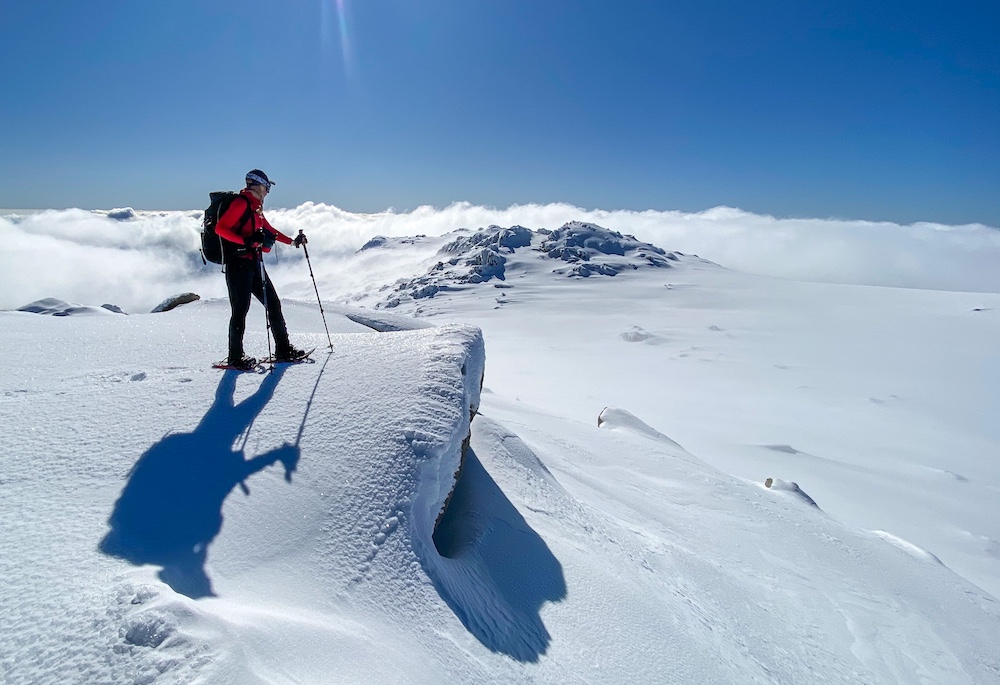
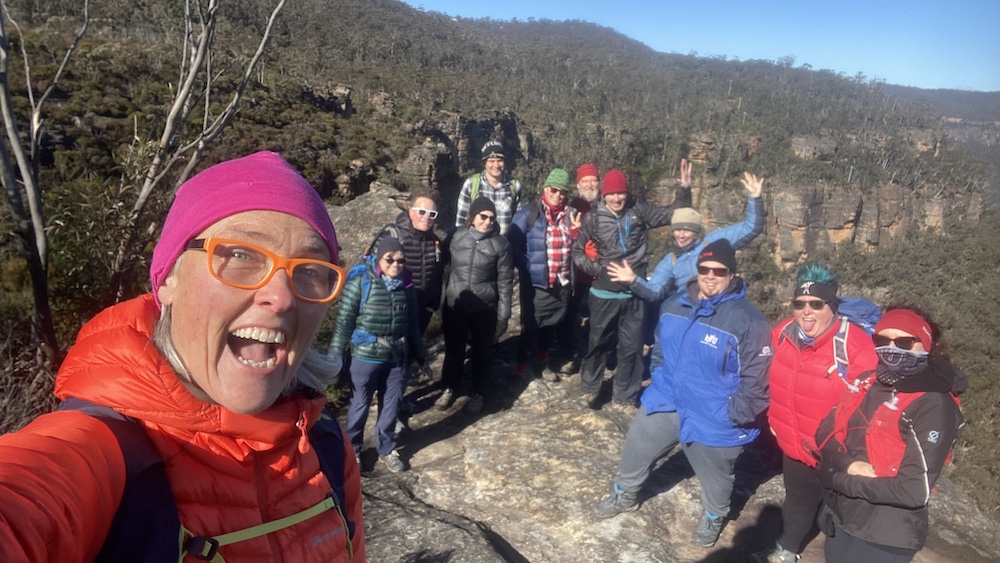
Snow camping is next level again, but more approachable than people think, provided you go with someone who can teach you. I’m part of a bushwalking club with some members who are genuinely expert in snow camping, and they’ve taught me things like digging out a tent platform and a boot box with a snow shovel — small details that make a real difference to both comfort and safety.
And as always, tell someone exactly where you’re going. Think Before You TREK is a good starting point for planning properly.
- Take all you need
- Register your trip (tell someone)
- Emergency satellite communication
- Know your route and stick to itf
Where to Go When It’s Too Hot Everywhere Else
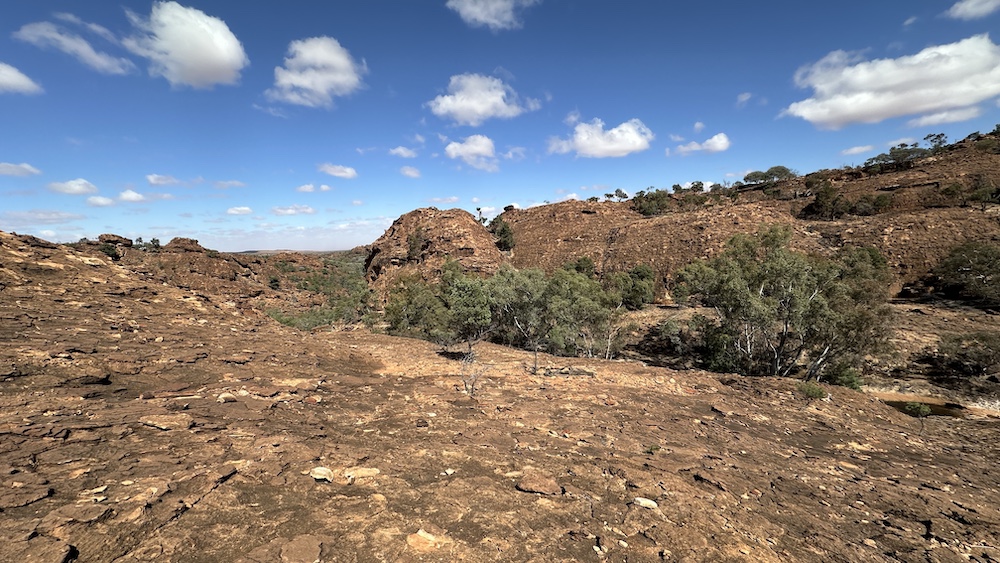
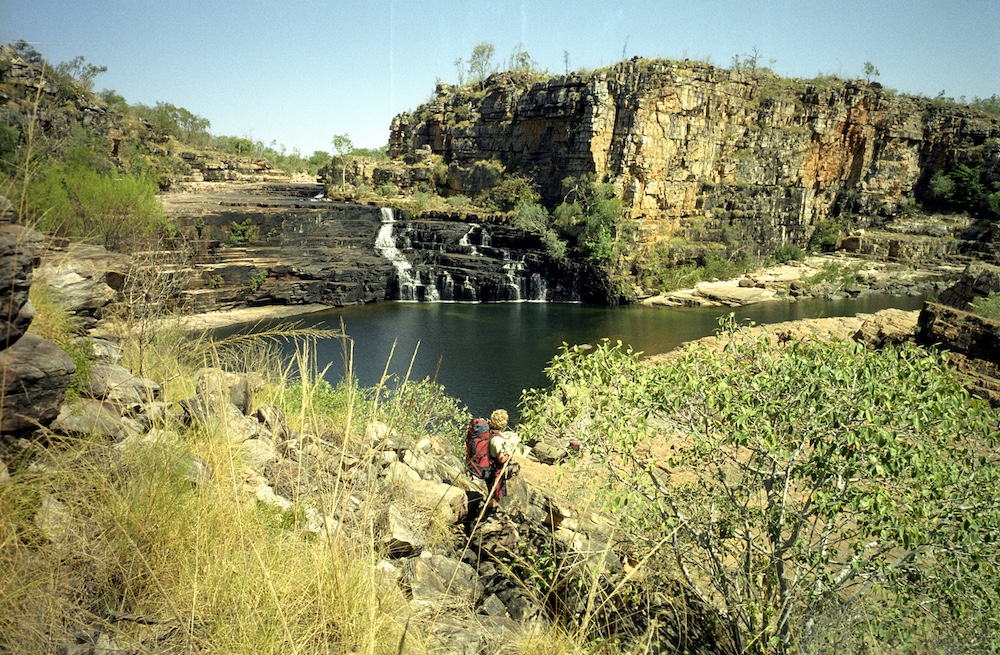
It’s not just Tassie walking guides who head north over winter to lead treks on the Larapinta or Jatbula Trails! Winter is your window for the places that are simply too hot the rest of the year.
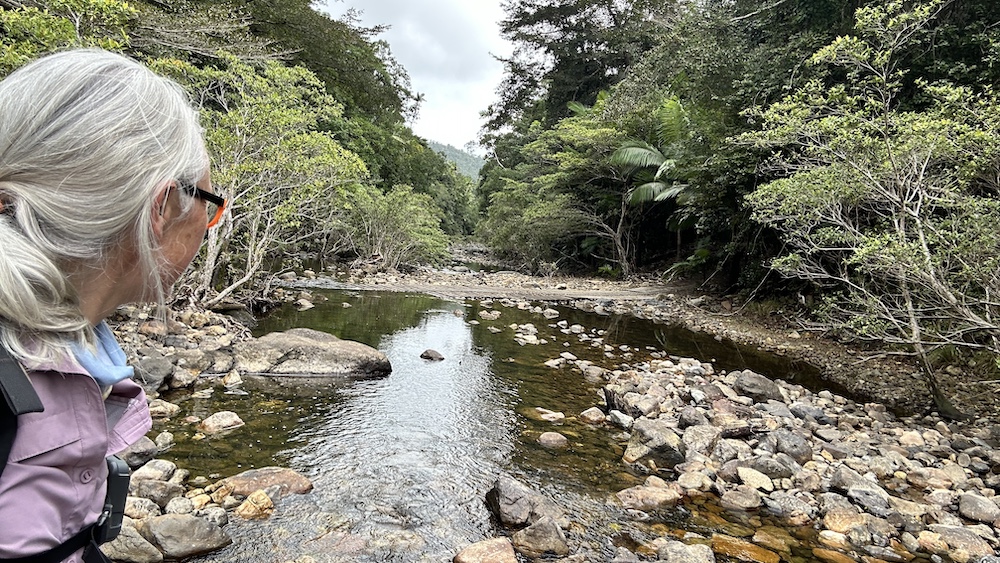
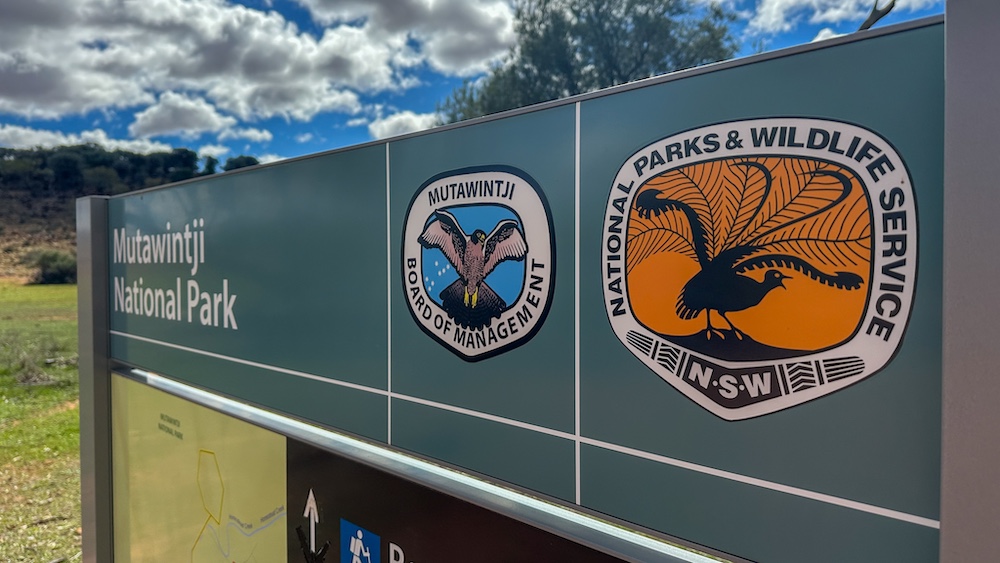
For ideas, check out Queensland Parks Great Walks — a curated list of well-resourced multi-day hikes on the Queensland National Parks or in NSW places like Mungo National Park and Mutawintji National Park near Broken Hill.
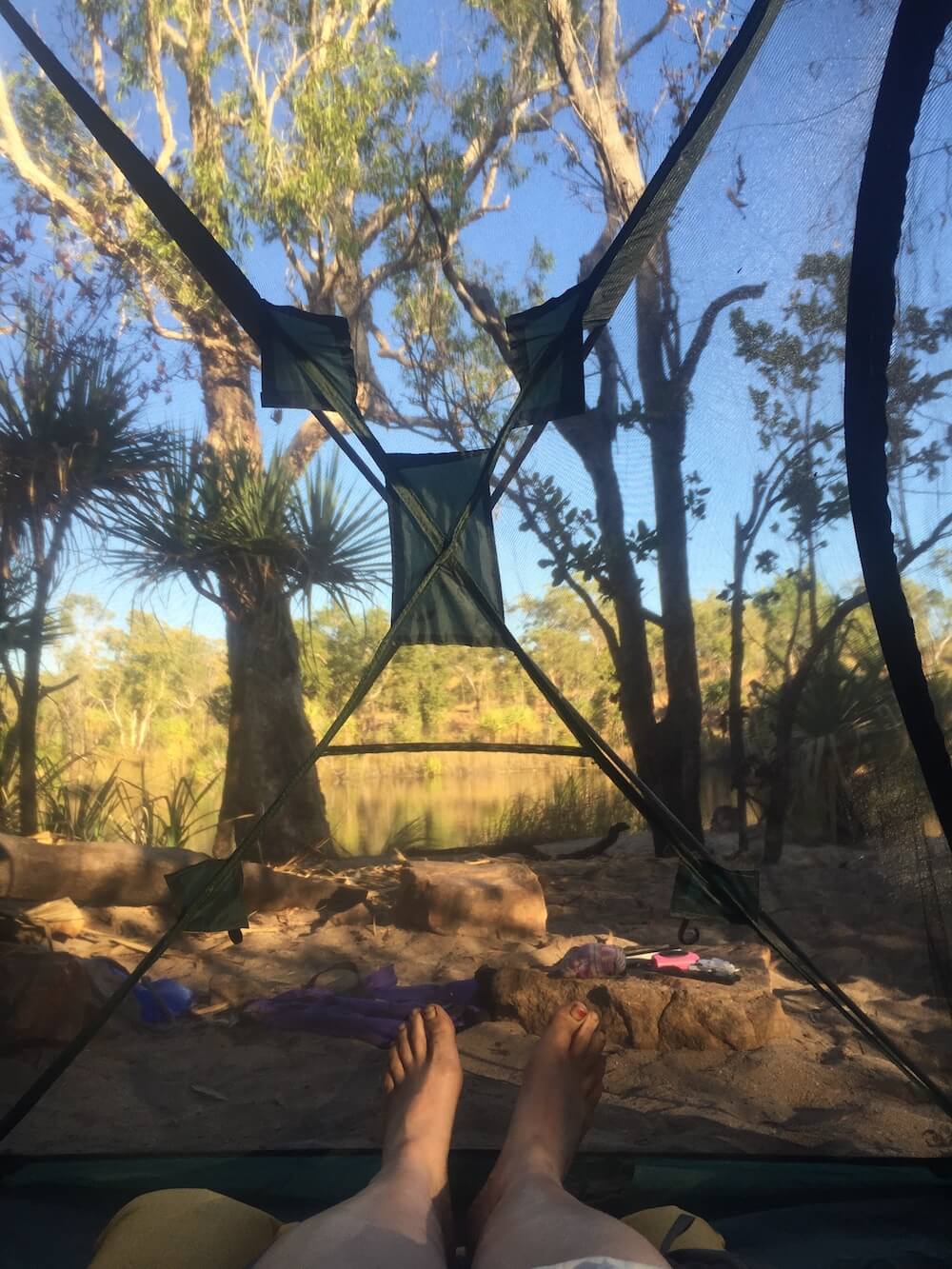
And if you’re along the coast, it’s whale watching season. Kamay Botany Bay National Park has tracks built specifically with whale watching in mind, but really, anywhere along the coast with a good vantage point will do. The humpback migration — sometimes called the humpback highway — now sees around 40,000 whales making their way to warmer waters, and sightings are far less rare than they used to be. One of my favourite spots is Providential Point, at Wattamolla on the Coast Track in the Royal National Park.
Staying Warm and Comfortable Overnight
Winter camping comfort is where I’ve picked up a few tricks over the years.
Practise a small, Leave No Trace campfire where it’s permitted, and settle in for a bit of bush Netflix for the night and maybe cook up some doughboys while you’re at it. For day hikes, a thermos of tea, coffee, or soup is one of the simple pleasures on a chilly day.
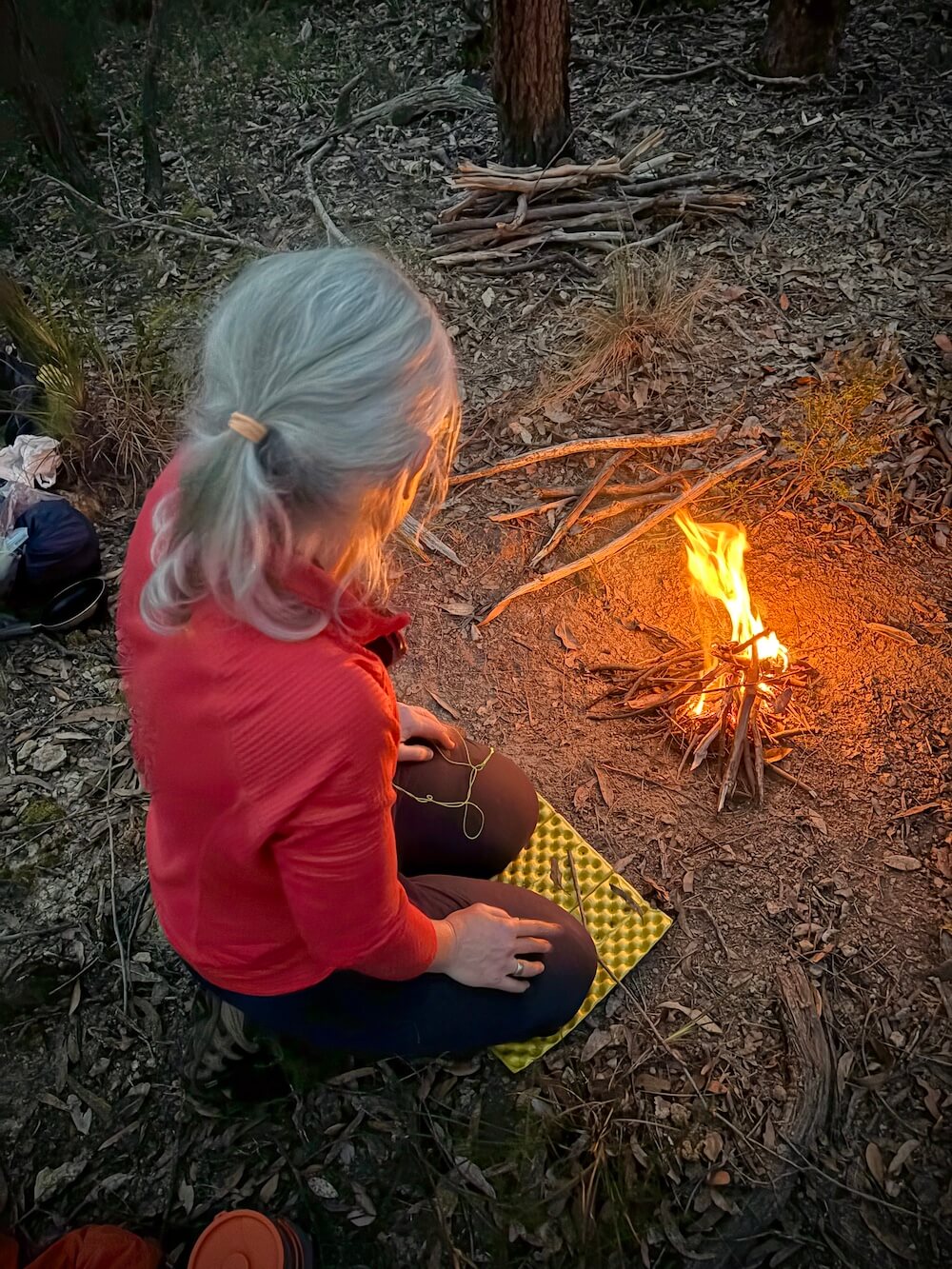
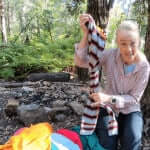
If your feet get cold in your sleeping bag and can’t warm back up, try this: about half an hour before bed, tuck your bed socks under your base layer, against your skin. By the time you climb into your sleeping bag, you’ve got warm, dry, preheated socks waiting to snuggle your feet into.
A Nalgene-style drink bottle (or something else rated for hot water) makes a decent hot water bottle too. Pop it in a sock first, then down to the bottom of your sleeping bag… hmm, cosy. A short pre-sleep workout or ten star jumps, ten high leg lifts, ten arm swings gets your circulation going before you settle in for the night, too.
I’ll happily carry a slightly bulkier and heavier, warmer sleeping bag in winter over a lighter pack any day. And a thermal sleeping bag liner might be the single best piece of gear I own for winter camping — it genuinely changes everything.
So layer up, check that sunset time, and get out and enjoy these deep blue winter skies while they’re on offer.
Listen
I was on ABC Radio Sydney’s Saturday Mornings with the lovely Rae Johnston, talking through everything winter walking. You can listen to our chat here.