Personal Locator Beacons have been a game-changer for search and rescue over the past couple of decades. One of the benefits of a PLB (over a SEND device like an InReach, SPOT or Zoleo) is that the battery will last around 7 years and never needs recharging. You can’t replace the batteries yourself; this must be done by a certified service technician (see below). If you do decide to dispose of your old one and replace it with new PLB (say, one with more/new features like Return Link Service, introduced to Australia in 2025), there are a few key steps you need to follow before hand.
Here are the steps I followed from Ocean Signal’s advice, makers of my old RescueMe PLB1.

Disposing of a distress beacon
“Please do not throw your beacon in the bin. Beacons can inadvertently activate if they are not correctly disposed, which often occurs when beacons are thrown in the rubbish and end up in tips.
Every year, thousands of dollars are spent in Australia searching for beacons in rubbish dumps. Search personnel and assets which are tasked to look for beacons that have been inadvertently activated are then unavailable for a real emergency. Beacon batteries are hazardous items which should be disposed of in an environmentally friendly way.”
I’ve heard stories of stray PLBs sending signals for a week or more from somewhere deep in a rubbish tip. It’s not just the resource-heavy impact of this action on the agencies involved, but there’s also a fire and environmental risk from the lithium battery.
How to dispose of a PLB
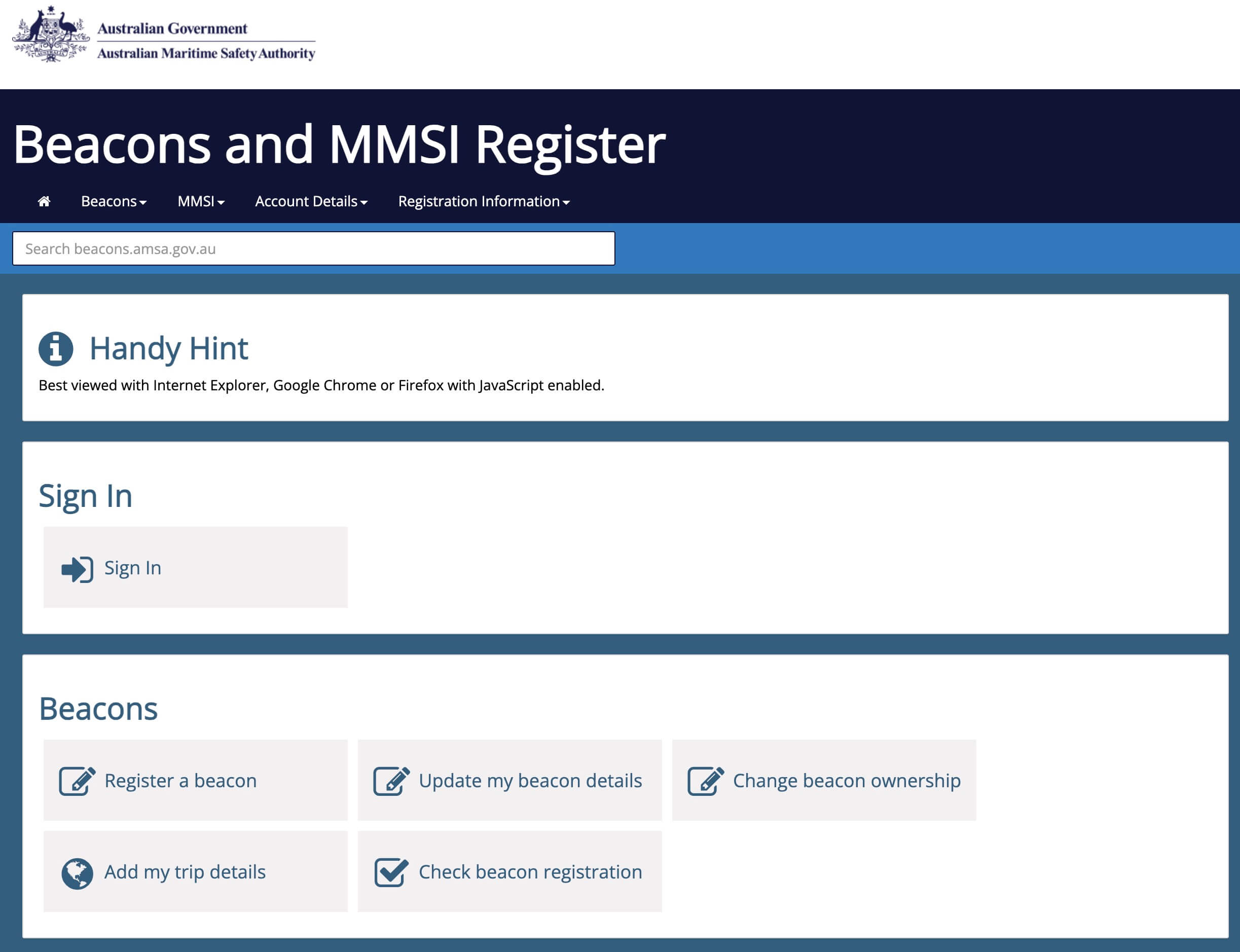
- Remove the online registration of the old device with AMSA
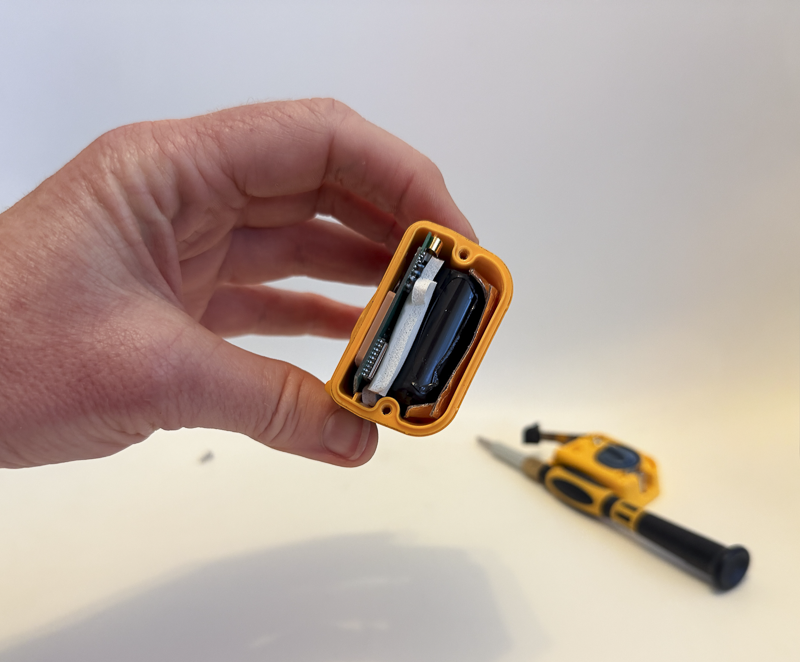
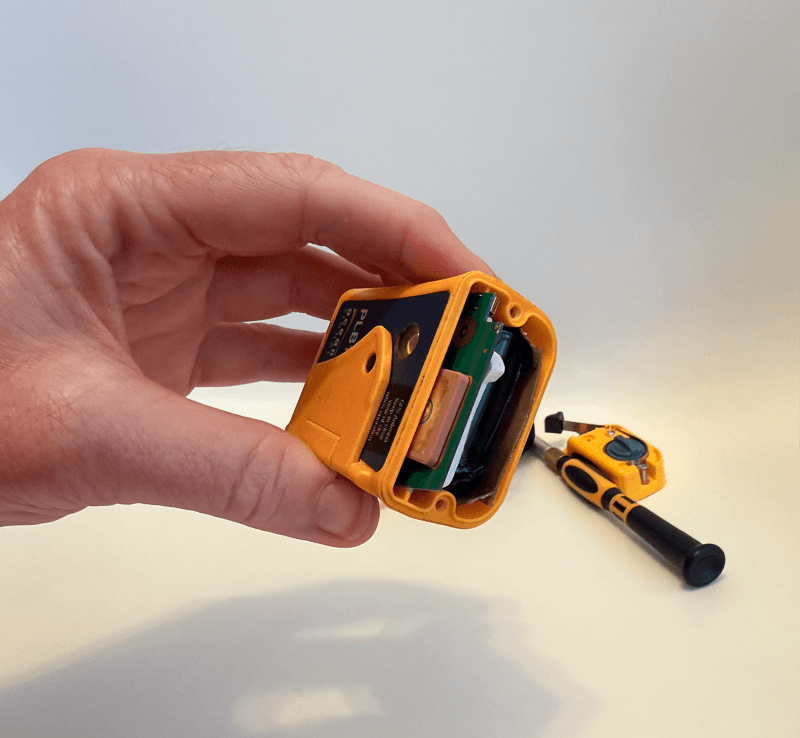
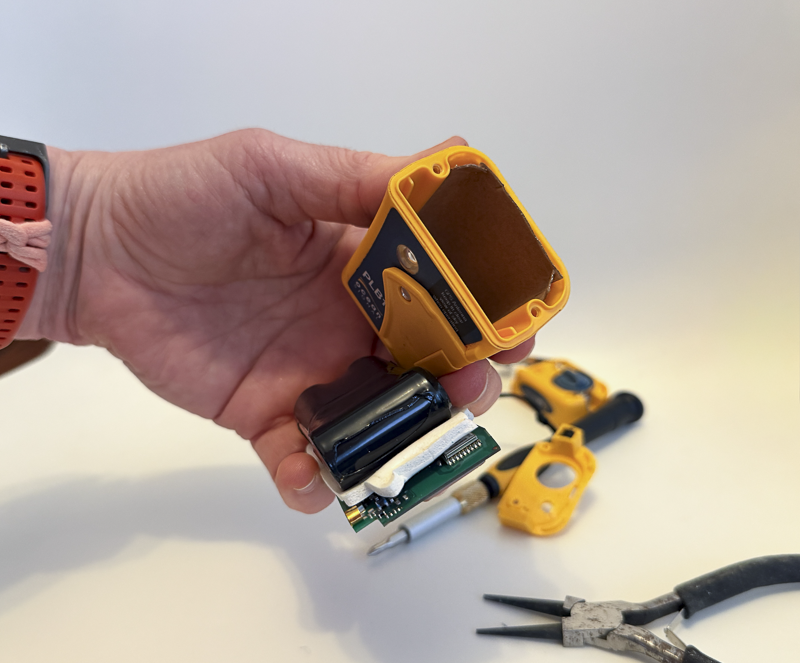
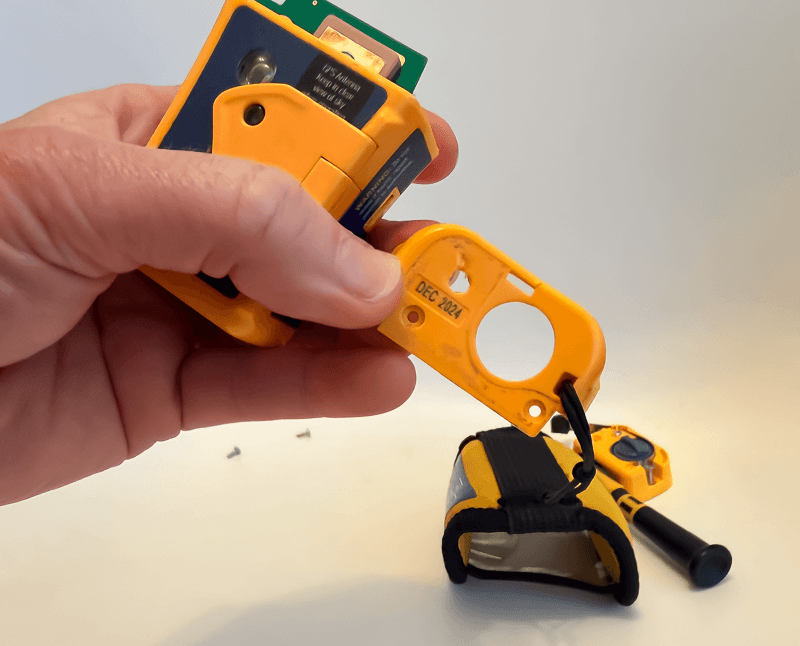
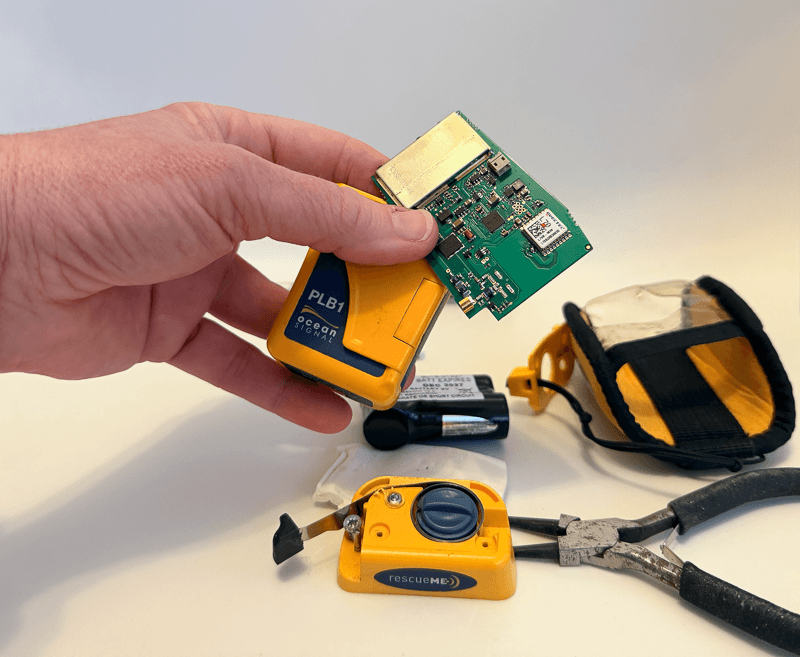
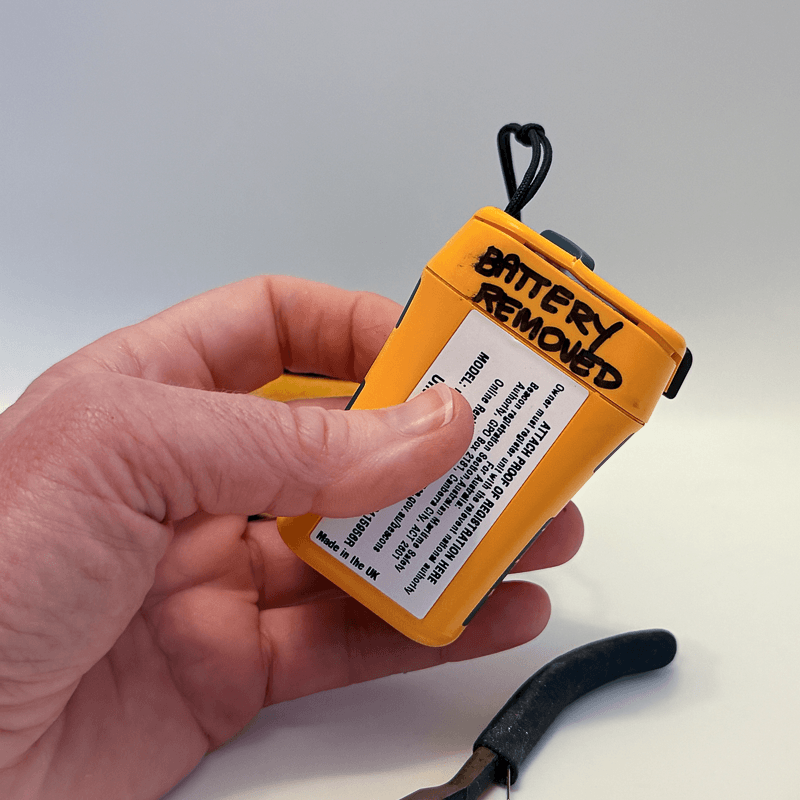
- Remove the old battery following the instructions from the manufacturer
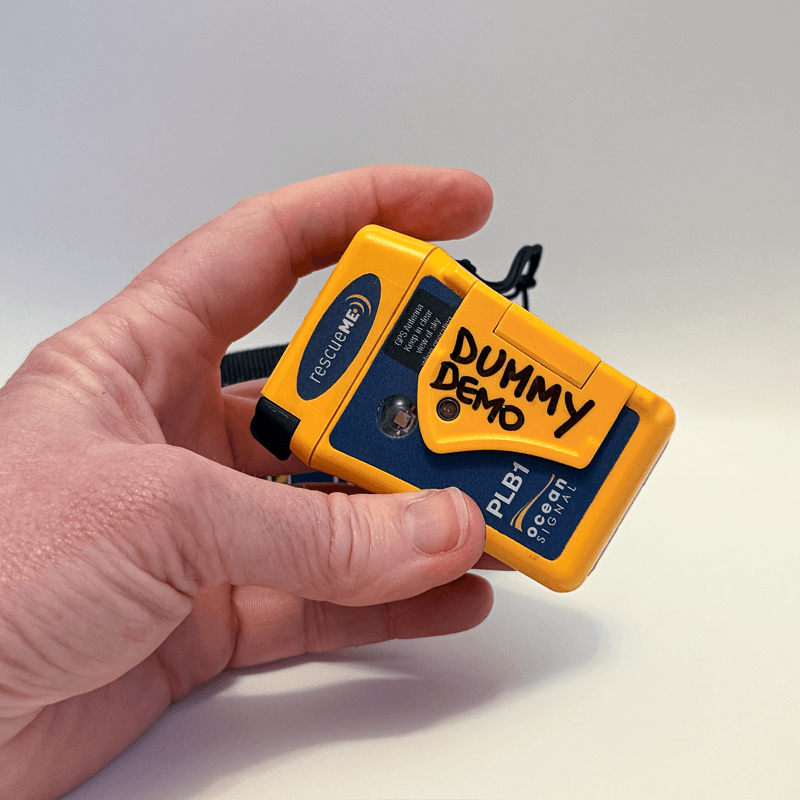
- Clearly label the old personal locator beacon cover and housing as being non-operational
- Follow the instructions of your local council for how to dispose of the lithium battery, circuit board and other components
If you’ve decided to upgrade and replace your whole PLB, rather than replace the battery (see below), there’s 3 options available to you:
- Ask your local battery store if they remove and dispose of them
- Check with AMSA or your local maritime agency
- Get the instructions from the manufacturer for how to disconnect the battery yourself and dispose of it according to your local council waste regulations for lithium batteries
I went with option 3 and contacted OceanSignal for instructions, explaining that I planned to use the unoperational PLB as a demo unit in my courses.
Along with instructions on how to remove the battery, they gave a stern warning that demonstrates the implications of doing something like this and why it’s not something we should do lightly and invalidates the warranty.
“By disassembling the PLB as an unauthorised technician, this PLB should no longer ever be relied on in an emergency situation, even if the battery is re-inserted by yourself. This is because the PLB’s internal components are now compromised. It is vital that the PLB, if ever used again, works safely and can be relied on.
Our servicing technicians are trained to complete services involving opening and closing the PLB to ensure it still remains operational in it’s full operational environments, ensuring the unit remains sealed and adequately pressurised. They ensure that the board is removed carefully, so that no elements are knocked and become damaged.”
Ocean Signal Ltd
PLB batteries
Depending on the brand, PLB batteries last between 7-10 years and 24 hours during an activation. It’s a single-use device, so they must be replaced or serviced after an activation.
Testing a Personal Locator Beacon
Every time you test the battery, it drains it a tiny bit, so check the manufacturer’s instructions for testing schedule and how-to’s. I set a reminder in my calendar and usually test it the same day as my household smoke alarms. Oh, and I know I’m not the only one who’s heart races and who triple checks everything before a test to make sure I’m not going to accidentally activate it! Don’t worry if you do – you’re not in trouble – AMSA know these things can happen. Just give their friendly folk a call immediately on 1800 641 792.
My PLB (I have the Ocean Signal RescueMe) has the battery expiry date printed on the unit as a handy reminder. If you’re looking to buy a new PLB, check for the longest expiry date available… just like buying milk!
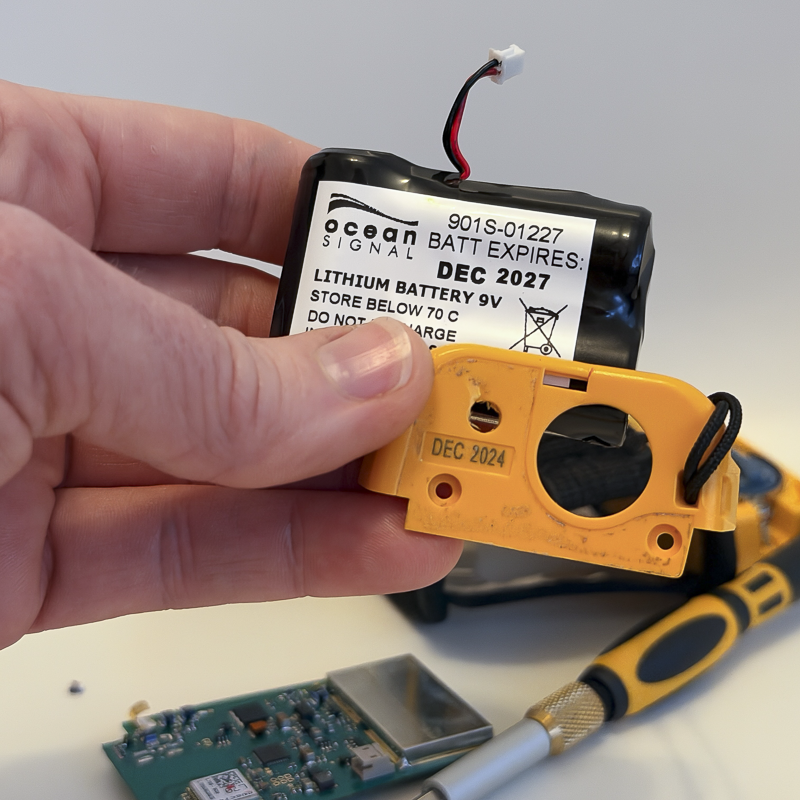
Interestingly, when I dismantled my PLB for disposal, I found that the date printed on the battery was 3 years later than the unit.
Ocean Signal told me, “… there is always additional time built into the battery lifespan to allow for storage and distribution before sale. This ensures that every end user still receives a safe 7-year battery life on their unit. Because of this, the date on the unit may not exactly match the date on the battery, as the extra time accounts for storage and distribution before the product is sold as new.”
Replacing the battery
Replacing a battery on a PLB isn’t something that you can do yourself and all PLB manufacturers, such as Ocean Signal, GME and ACR have service centres listed on their websites to do this. I was surprised when I discovered it’s not a cheap exercise. When I last checked, the cost of a replacement battery was about 60% of the cost of a new unit, but with good reason: it’s a specialised task and not just about bunging in a new one. They’ll replace the seals, reseal, pressurise, perform a hydrostatic test, update the software and give it a good once-over. This bundle of plastic and electronics could save a life – you need it to work 100%.
Learn more about the different types of satellite emergency devices such as PLB’s and SEND devices on the Rescued Podcast, episode 6, where I interview Linda Berryman from the Australian Maritime Safety Authority.